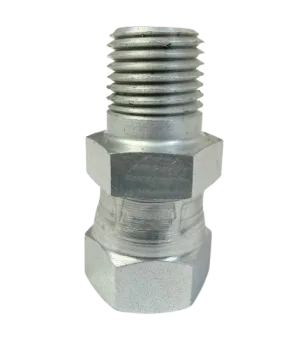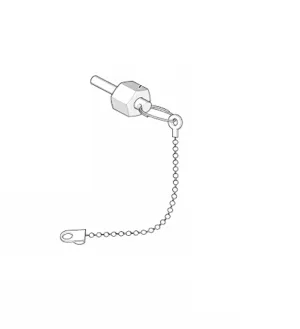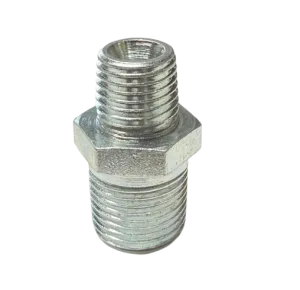
Graco 15G352 Gasket Coupler T-Max
The **Graco 15G352 Gasket Coupler (T-MAX)** ensures a tight, leak-free seal in T-MAX spray equipment couplers for reliable fluid transfer and performance.
- Application: Graco T-MAX series couplers
- Material: Durable, pressure-resistant gasket
- Purpose: Prevents leaks and maintains pressure
- OEM Part #: 15G352
Graco 15G352 Gasket, Coupler – T-MAX
The **Graco 15G352 gasket** is a precision-manufactured sealing component designed for use with coupler assemblies in the T-MAX series spray equipment. It ensures a tight seal, prevents leakage, and maintains optimal fluid-system performance.
Key Features & Specifications
| Function | Provides a secure seal between the coupler and mating equipment in the T-MAX series. |
|---|---|
| Material | Durable elastomer or gasket material selected for compatibility with coatings and fluids commonly used in high-pressure spray systems. |
| Application | Specifically designed for coupler units in the T-MAX spray equipment family, e.g., texture sprayers, coating machines. |
| OEM Part Number | 15G352 – ensures exact fit within Graco’s specified coupler configuration. |
Why Choose This Gasket?
This gasket is vital in maintaining system integrity in your spray equipment. A proper seal ensures that fluid pressure is maintained, prevents overspray or leakage, and prolongs service life of coupler interfaces. By using the OEM 15G352 gasket, you avoid compatibility issues, misalignment, or premature failure associated with generic substitutes.
Installation & Maintenance Tips
- Relieve system pressure before removal or installation to prevent hazards.
- Clean the coupler mating surfaces thoroughly — remove old gasket fragments, residual sealant, or deposits.
- Inspect the coupler body and mating interface for damage or wear; replace if necessary.
- Install the new gasket ensuring it sits flush and properly centered; tighten the coupler connection per manufacturer torque specification.
- During routine maintenance, monitor for signs of leakage, wear, or damage to the gasket; replace proactively to maintain performance.
Frequently Asked Questions
No reviews yet. Be the first to review this product!