Every airless sprayer, from a $300 homeowner unit to a $20,000 industrial pump, is built from the same eight part systems: tips and guards, gun, filters, hoses, pump fluid section, valves, drive and motor, and controls. Tips, filters, hoses and gun parts cross over widely between models. Pump internals, valves, drives and control boards do not and must match your exact model and serial range. Wear order is consistent everywhere: tips first, filters second, valves third, packings fourth.
- The Eight Systems Every Airless Sprayer Shares
- What Actually Crosses Over Between Models
- Find Your Tier: Homeowner, Contractor, Industrial
- Decoding the Tip System: LTX, FFLP, LP and WideRAC
- Filters, Hoses and Guns: The Shared Consumables
- The Wear Order, and What It Costs
- Symptom to System: Diagnose Before You Order
- Ordering Without Getting It Wrong
- Frequently Asked Questions
Searching for airless sprayer parts is frustrating for a reason that has nothing to do with you. Manufacturers build dozens of models across several product tiers, and those models share a family resemblance without sharing components. A part that looks identical in two photos can be dimensionally different in ways that matter at 3,000 PSI.
This page is the cross-model reference we wish existed when we started. It covers how airless sprayers are actually assembled, which parts genuinely interchange and which only appear to, and how to go from a symptom to a correct part number without ordering twice.
1. The Eight Systems Every Airless Sprayer Shares
Whether you are holding a Magnum X5 or standing next to an E-Flo industrial pump, the architecture is the same. Paint gets drawn in, pressurized by a reciprocating pump, pushed down a hose, and atomized through a small orifice. Everything else is scale.
| System | What it does | Crosses models? | Typical service life |
|---|---|---|---|
| 1. Tips and guards | Atomizes paint into a fan pattern | Widely, within a thread standard | 15 to 40 gallons |
| 2. Spray gun | Trigger, needle, seat, diffuser | Often, within a tier | 2 to 5 years |
| 3. Filters and strainers | Keeps debris out of pump and tip | Widely by mesh and size | Clean or replace monthly |
| 4. Hoses and fittings | Carries pressurized material | Widely, by pressure rating | 3 to 7 years |
| 5. Pump fluid section | Piston, cylinder, packings | No, model and serial specific | 300 to 1,000+ gallons |
| 6. Inlet and outlet valves | Check valves controlling flow direction | No, model specific | 200 to 600 gallons |
| 7. Drive and motor | Converts rotation to piston stroke | No, model specific | Machine lifetime, usually |
| 8. Controls | Pressure board, transducer, switch | No, model specific | Machine lifetime, usually |
Notice where the line falls. Systems 1 through 4 are the consumables, they cross models readily, and they account for the large majority of parts orders. Systems 5 through 8 are the machine itself, they rarely cross models, and getting one wrong is expensive.
2. What Actually Crosses Over Between Models
This is the question behind most parts searches, and the honest answer has three tiers of confidence.
Usually safe to cross
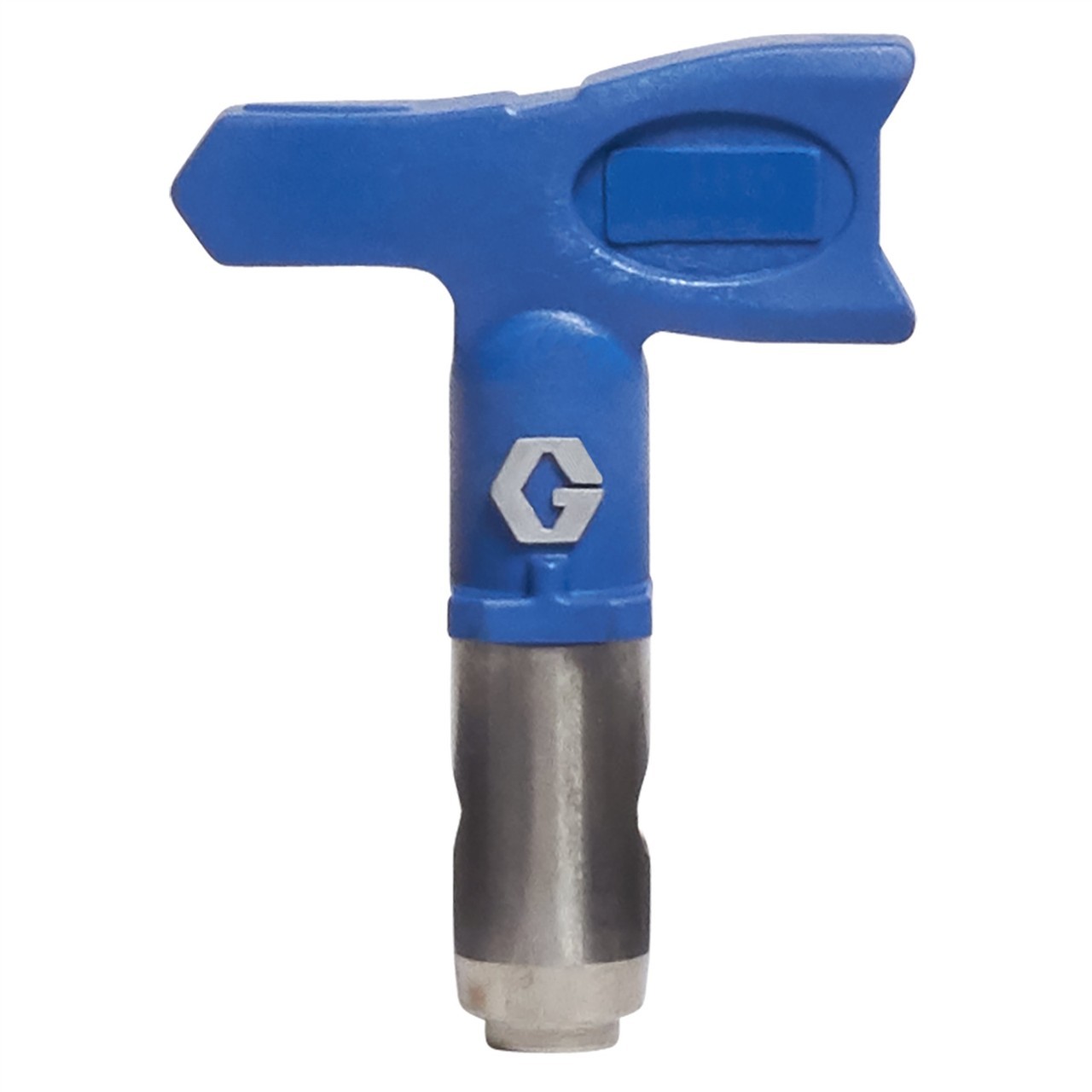
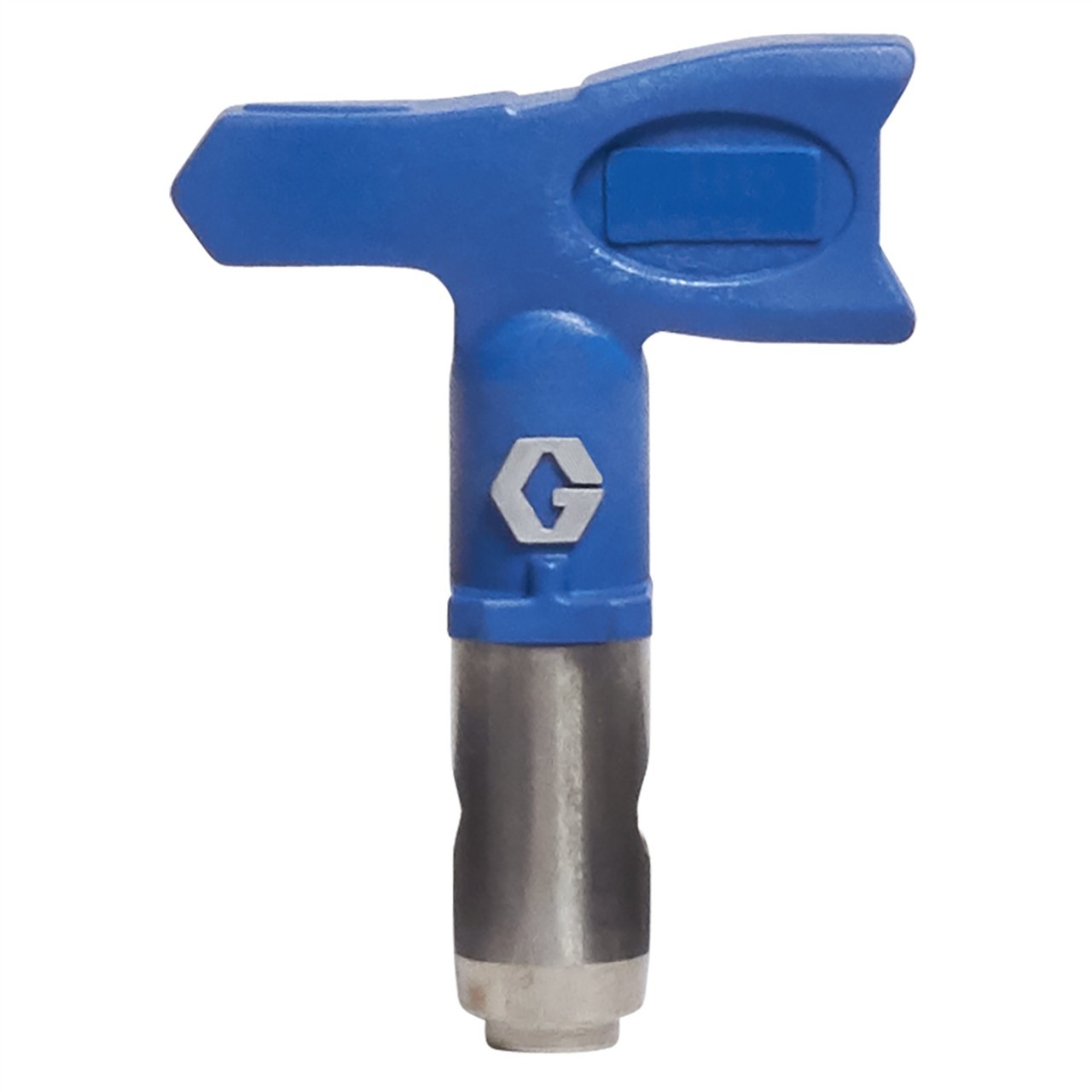
- Spray tips and guards within the same thread standard. Most Graco airless guns use a 7/8 inch thread, and RAC X SwitchTips fit across the contractor and industrial range. Homeowner TrueAirless tips are a separate system and do not interchange with RAC X.
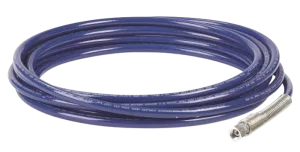
- Hoses rated at or above your machine's maximum pressure, with matching fitting size. A 1/4 inch hose rated to 3,300 PSI works on any machine operating below that ceiling.
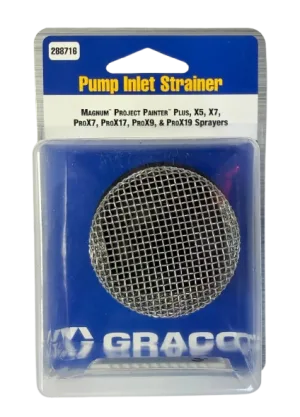
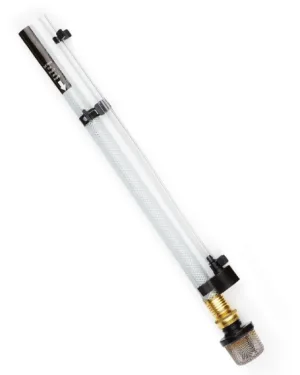
- Inlet strainers by physical size and mesh, since they sit in the bucket rather than inside a precision assembly.
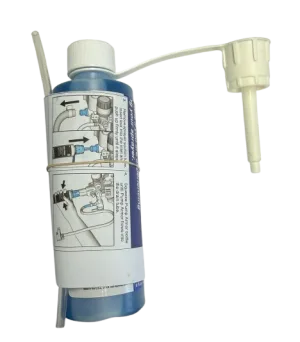
- Pump protection fluid and general consumables, which are not model specific at all.
Sometimes safe, check first
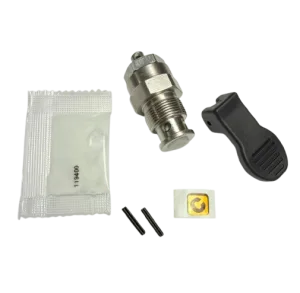
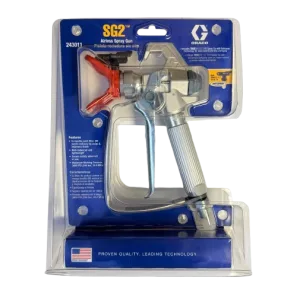
- Gun repair kits cross within a gun family but not across families. A Contractor gun kit does not fit an SG2 or SG3.
- Gun and manifold filters cross by physical size and mesh number, but mesh choice should match your tip size, not just fit the housing.
- Prime and drain valves sometimes share a design across two or three models in the same series, and sometimes do not.
Never assume
- Pump repair kits, packings and piston assemblies. These are matched to a specific cylinder bore. A near miss causes uneven wear on the cylinder itself.
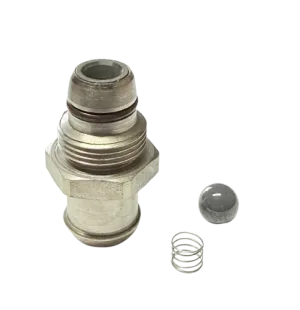
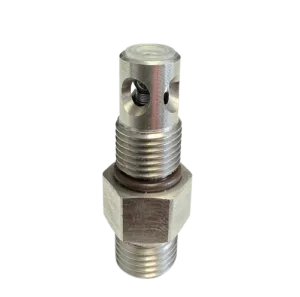
- Inlet and outlet valve kits. Model specific, and on some models serial specific after a mid production revision.
- Control boards, transducers, motors and drive assemblies. Never cross without explicit confirmation.
Manufacturers revise internal components mid production without changing the model name or the exterior. Two machines with the same badge, bought two years apart, can take different valve kits. If a listing gives a serial range, it is giving you that information for a reason. If you cannot find your serial, send us the model and a photo of the pump and we will identify it rather than guess.
3. Find Your Tier: Homeowner, Contractor, Industrial
Parts sourcing gets much easier once you know which tier your machine sits in, because that determines both which catalog applies and what a reasonable repair budget looks like.
Tier 1 Homeowner and DIY
Magnum X5, X7, LTS 15, LTS 17, Project Painter Plus, TrueCoat handhelds, and the ProX stand and cart sprayers. Plastic and light alloy housings, duty cycles rated in the low hundreds of gallons per year, and repair parts typically in the $5 to $100 range.
These machines are designed to be user serviceable. Valve kits, ball knockers and strainers replace with basic hand tools. Start at Graco homeowner paint sprayer parts, or go directly to the X7 and LTS 17 diagram or the ProX17, ProX19 and ProLTS170 parts.
Tier 2 Professional and contractor
The 190ES, 210ES, 390, 395, 490, 495, 595, 695, 795 and 1095 electric range, plus the GMAX gas line. Steel fluid sections, hardened chrome pistons, duty cycles measured in thousands of gallons, and repair parts commonly in the $60 to $400 range.
This is where OEM sourcing starts to matter most, because these machines earn money and downtime is expensive. Browse electric airless sprayer parts or gas airless sprayer parts depending on your power source.
Tier 3 Specialty and texture
Texture rigs, drywall finishing equipment and line striping machines. These handle aggregate loaded material that wears components faster than paint does, so the service interval assumptions from Tier 2 do not transfer. See drywall finishing and texture sprayer parts.
Tier 4 Industrial and plural component
Reactor, Fusion, E-Flo, King, Xtreme, Husky diaphragm and DutyMax hydraulic equipment. Different engineering entirely: hydraulic or pneumatic drive, heated hose systems, and components priced from several hundred to several thousand dollars.
At this tier, correct sourcing is a safety matter as much as a performance one. Talk to us directly about wholesale and fleet pricing rather than ordering blind.
Not Sure Which Part You Need?
Match your component visually against a factory diagram instead of guessing from a description
Find My Part by Diagram Call +1 713-931-41024. Decoding the Tip System: LTX, FFLP, LP and WideRAC
Tips cause more confusion than any other part, partly because the numbering is not obvious and partly because there are four overlapping families. Here is the whole system.
Reading the number
A tip number encodes two things. The first digit, doubled, gives the fan width in inches at roughly twelve inches from the surface. The last two digits give the orifice diameter in thousandths of an inch. A 515 sprays a ten inch fan through a .015 orifice. A 311 sprays a six inch fan through a .011 orifice.
Choosing the family
| Family | Built for | Typical use | Example parts |
|---|---|---|---|
| LTX (RAC X SwitchTip) | General latex and standard coatings | Walls, ceilings, exteriors, everyday production | LTX311 LTX415 LTX511 |
| FFLP (Fine Finish Low Pressure) | Smooth finishes at reduced pressure | Cabinets, trim, doors, millwork | FFLP310 FFLP410 FFLP514 |
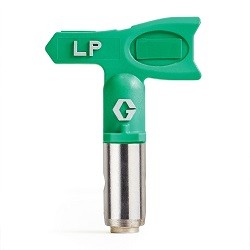
| LP (Low Pressure RAC X) | Full coverage at lower operating pressure | Anywhere you want less overspray and longer pump life | LP515 LP417 LP519 |
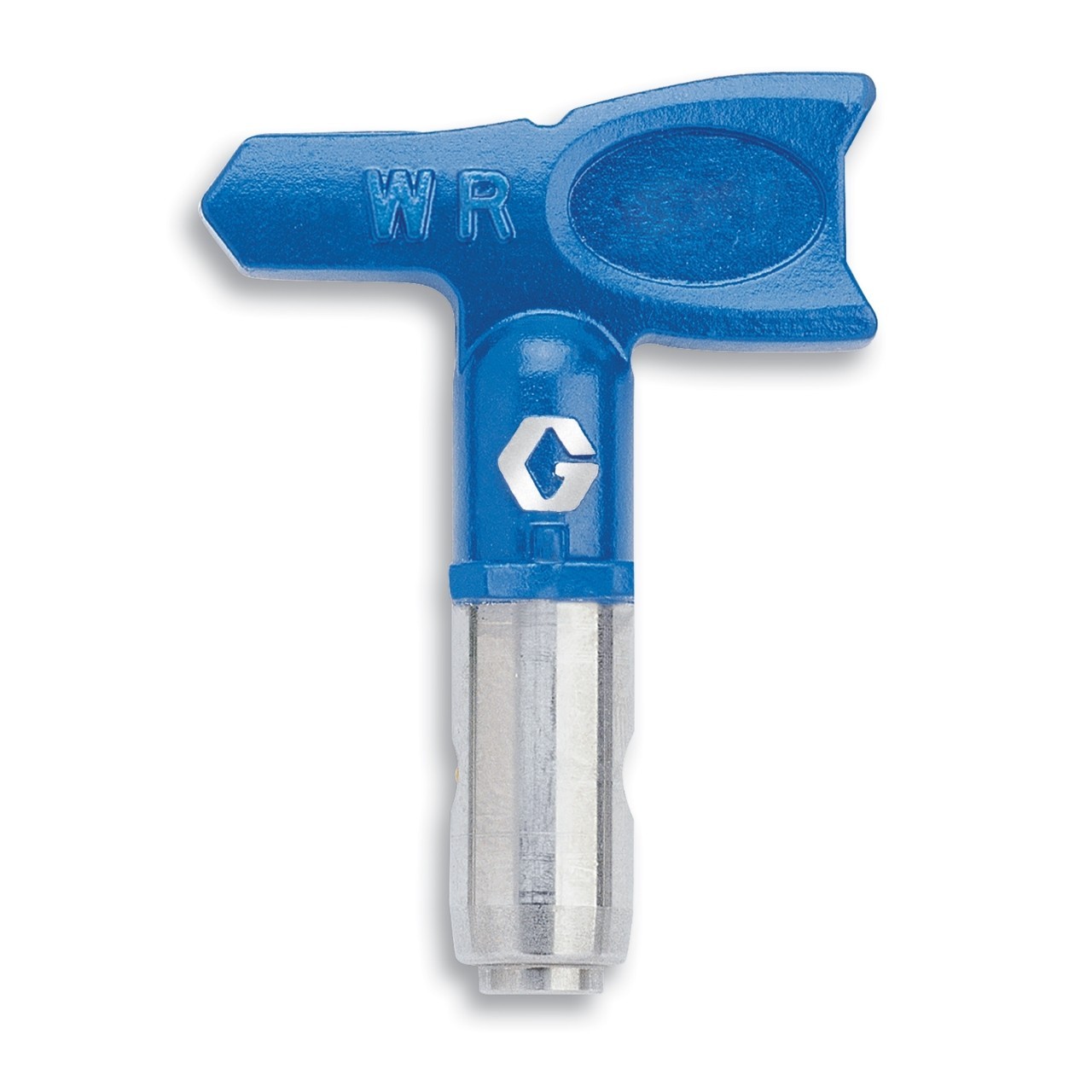
| WideRAC | Very wide fan patterns | Warehouse walls, ceilings, large flat commercial surfaces | WR1221 WR1229 WR1235 |
LP and FFLP tips atomize properly at materially lower pressure than standard tips. Lower operating pressure means less overspray, less material waste, and meaningfully less wear on your packings and valves. On a machine you run weekly, the reduced pump wear alone tends to outpace the price difference over a season. This is one of the few upgrades in this category that pays for itself rather than just costing more.
Matching orifice to material
| Material | Orifice range | Typical fan | Family to pick |
|---|---|---|---|
| Lacquers, fine finish enamels | .008 to .012 | 4 to 8 in | FFLP |
| Stains and sealers | .011 to .013 | 8 to 10 in | LTX or LP |
| Primers | .013 to .017 | 10 to 12 in | LTX or LP |
| Interior and exterior latex | .015 to .019 | 10 to 12 in | LTX or LP |
| Elastomerics and heavy coatings | .021 to .031 | 12 to 16 in | LTX |
| Large flat commercial surfaces | .021 to .039 | 20 to 24 in | WideRAC |
One hard rule: never run a tip above your machine's rated maximum orifice. Forcing a pump past its design range accelerates wear on the piston and packings in a way that shows up months later as a repair bill. Full range at Graco spray tips and guards.
5. Filters, Hoses and Guns: The Shared Consumables
Filters are the cheapest insurance in the catalog
There are usually three filtration points: an inlet strainer in the bucket, a manifold or pump filter, and a filter inside the gun handle. Each protects something more expensive downstream.
A clogged filter mimics symptoms that look like pump failure, which is why it belongs at the top of every diagnostic checklist rather than the bottom. Mesh selection should follow tip size, coarser mesh for larger orifices, finer mesh for fine finish work. Browse Graco filters and strainers.
Hoses are a safety item, not just a consumable
Airless hose carries material at pressures that can inject through skin. A hose with a soft spot, a kinked section or a damaged fitting is not a minor issue to work around. Replace it.
Hoses cross models freely as long as the pressure rating meets or exceeds your machine's maximum and the fittings match. A whip hose, the short flexible section between main hose and gun, reduces hand fatigue noticeably on long days and is one of the more underrated upgrades in the catalog. See Graco hoses and whip hoses.
Guns wear slowly, then all at once
The needle, seat and diffuser wear gradually. Symptoms are usually a gun that drips after you release the trigger, or a trigger that feels gritty. Repair kits are generally far cheaper than gun replacement and are straightforward to install. Full range at Graco airless spray guns and parts.
6. The Wear Order, and What It Costs
Across every tier, parts fail in a predictable sequence. Knowing it means you can stock ahead instead of losing a day.
| Order | Part | Interval | Typical cost | Symptom when it goes |
|---|---|---|---|---|
| 1st | Spray tip | 15 to 40 gallons | $40 to $85 | Pattern widens, tails, gets heavy |
| 2nd | Filters and strainers | Monthly with regular use | $8 to $25 | Pressure loss, spitting, poor flow |
| 3rd | Inlet and outlet valves | 200 to 600 gallons | $50 to $120 | Will not prime, loses pressure under load |
| 4th | Pump packings | 300 to 1,000 gallons | $90 to $300 | Fluid weeping around pump housing |
| 5th | Gun repair kit | 2 to 5 years | $40 to $130 | Drips after trigger release |
| 6th | Hose | 3 to 7 years | $45 to $250 | Soft spots, weeping fittings |
| Rare | Motor, drive, control board | Machine lifetime | $30 to $400+ | Will not start, no piston movement |
Add the kits up before you commit. On a homeowner machine, a stack of repairs approaching half the price of a new unit is usually the point to stop. On a contractor machine, that threshold is much higher, because a well maintained steel fluid section is worth rebuilding several times over. On industrial equipment, rebuilding is almost always correct. We would rather tell you to stop spending than sell you a third kit for a machine that has reached the end.
7. Symptom to System: Diagnose Before You Order
Work top down through these. The cheap checks come first for a reason, they are frequently the answer.
Symptom: Will not prime, or loses prime
The pump cycles but material does not reach the gun, or prime is lost after a brief pause.
Check in order: Inlet strainer clogged → suction tube cracked or loose → prime valve not sealing → inlet valve ball or seat worn. System: 3, then 6.
Symptom: Pressure drops under load
Pressure holds at startup then falls off during sustained spraying, often recovering after a stop.
Check in order: Gun or manifold filter clogged → tip oversized for the machine → outlet valve worn → packings worn. System: 3, then 6, then 5.
Symptom: Uneven, tailed or split pattern
The fan shows heavy edges or tails while pressure reads normal.
Check in order: Worn tip → pressure set too low for the material → partially clogged gun filter. System: 1. Do not open the pump for a pattern symptom.
Symptom: Fluid weeping around the pump
Paint or solvent appears on or below the pump where it was previously dry.
Cause: Throat packings worn or dried out. Do not keep spraying. Running a leaking pump accelerates wear on the cylinder and piston. System: 5.
Symptom: Motor runs but piston does not move
You can hear the motor, but there is no stroke and no pressure builds.
Cause: Drive assembly failure, usually a sheared connecting rod or stripped gear. System: 7. This is a real repair rather than a consumable swap, so price the drive kit against the machine's remaining value first.
8. Ordering Without Getting It Wrong
Four steps, in this order, and the failure rate drops close to zero.
- Find your model number on the machine label, not from memory and not from a forum post. Photograph it. Include the serial number if the label carries one.
- Diagnose the system using the symptom guide above, so you are ordering the part that failed rather than the part you suspect.
- Match visually against a diagram. Read the callout number off an exploded parts diagram instead of matching a written description. This single step eliminates most wrong part orders.
- Confirm the serial range on the listing before checkout, particularly for anything in systems 5 through 8.
If you get stuck at any step, the original manual usually settles it. We keep them organized by model in the Graco manuals and technical data library.
For tips, filters, external hardware and cart components, aftermarket parts are a defensible way to save money and we will not pretend otherwise. For anything inside the pump or in the pressure path, buy OEM. Pump tolerances are tight enough that a small dimensional difference causes uneven wear on the parts around it, which turns a $60 repair into a $300 one. That is the whole argument, and it only applies where it applies.
Common Cross-Model Parts

 −37%
−37%
 −37%
−37%
9. Frequently Asked Questions
Are airless sprayer parts interchangeable between models?
Some are, most are not. Spray tips, tip guards, hoses and gun filters are largely interchangeable within a thread standard and pressure rating. Pump internals, valves, packings, drive components and control boards are model specific and often serial number specific. The safe rule is that anything touching the pump needs an exact match to your model and serial range.
What airless sprayer parts wear out first?
Spray tips wear first on every machine regardless of tier, because paint is abrasive at high pressure. Filters clog next. After that come the inlet and outlet valves, then the pump packings. Motor, drive and control components normally last several times longer than any of these.
How do I find the right part number for my airless sprayer?
Start from the model number on the machine label, not from a part description. Then use an exploded parts diagram to match the component visually and read off the callout number. Ordering from a written description alone is the single most common reason people receive the wrong part.
What is the difference between LTX, FFLP, LP and WideRAC spray tips?
LTX are standard RAC X SwitchTips for general latex work. FFLP are fine finish low pressure tips for cabinets, trim and smooth finishes. LP are low pressure tips that atomize at reduced pressure to cut overspray and extend pump life. WideRAC tips spray fan widths up to 24 inches for large flat surfaces like warehouse walls and ceilings.
Should I buy OEM or aftermarket airless sprayer parts?
For tips, filters and external hardware, aftermarket parts are a defensible cost saving. For anything inside the pump or in the pressure path, OEM is the safer choice, because pump tolerances are tight enough that a small dimensional difference causes uneven wear on the components around it and turns a cheap repair into an expensive one.
Send Us Your Model and Symptom
We will identify the correct part before you order, so you are not waiting on a second shipment
Ask Our Parts Team Browse All Parts